

5 reasons to choose a headless CMS for your next website

Picture yourself driving an old diesel 4x4 on the highway, then switching to an electric sports car. The difference is brutal. That’s basically what happens when a website moves from a traditional CMS to a modern headless one. In today’s web ecosystem, PHP-based platforms (WordPress, Joomla, Drupal…) are clearly showing their age. They get bloated with heavy plugins and themes, slow down easily, and require beefy servers just to stay afloat.
More and more companies are switching to headless CMS setups, where the content management (back end) is completely separated from the visible part of the site (front end). This structure gives you way more agility and much better performance. Here are five solid reasons to go for it on your next project.
Much better performance
Speed is everything — for users and for SEO. A headless CMS can make your pages load a lot faster. The reason is simple: the content is pre-generated (Static Site Generation) or rendered through lightweight server processes (Server-Side Rendering) using modern frameworks like Next.js, then pushed through a highly optimized CDN.
Unlike classic PHP CMS platforms that rebuild every page on every request, a headless site often serves static files.
The result: fewer slow queries, pages loading in a split second, and users who don’t bounce after two seconds of waiting.
Next.js is a good example. It pre-renders pages during build (SSG) or uses serverless SSR/ISR for dynamic content. The server stays lean. You avoid the typical PHP bloat where every request wakes up Apache/Nginx + PHP + MySQL. A Next.js headless site behaves like a sports car. A traditional PHP CMS? More like an old, tired diesel.
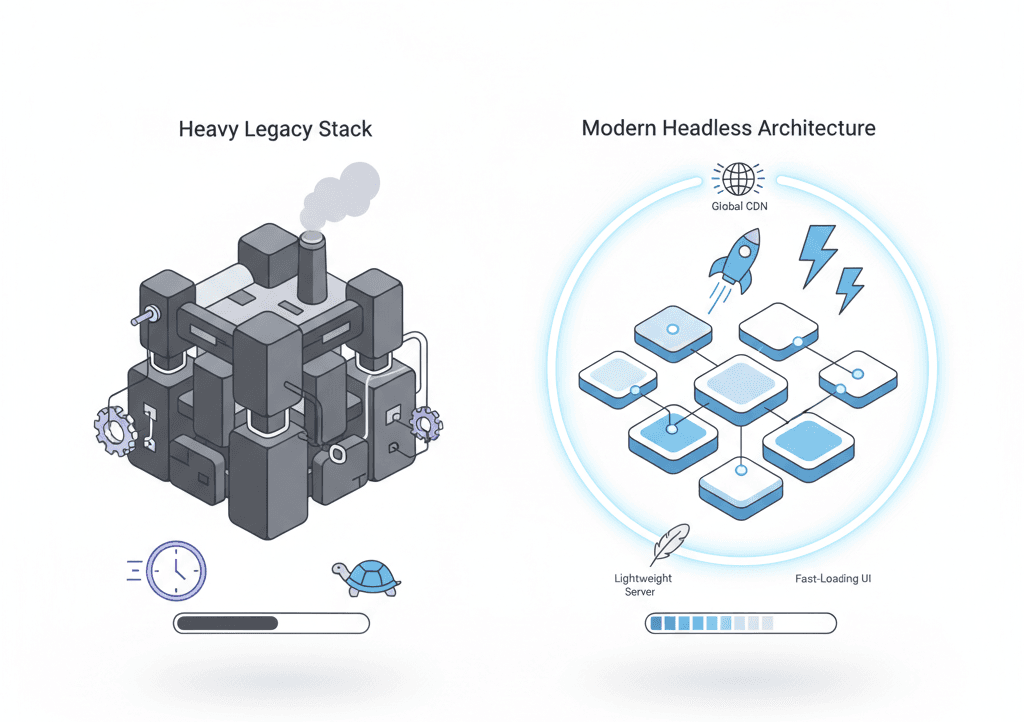
Ultra-fast website loading on desktop and mobile
Better developer experience and more flexibility
Switching to a headless CMS usually means using modern JavaScript tools on the front end: Next.js, React, Vue, Nuxt, and so on. For developers, it’s a breath of fresh air. They get access to TypeScript, up-to-date libraries, active communities, and cleaner development workflows.
It also makes it easy to integrate microservices or third-party APIs (payments, analytics, automation, whatever) without being boxed in by a monolithic system.
Teams get more freedom: no more fighting with outdated PHP themes or plugin limitations. Instead, they build custom interfaces using React or Vue. Development cycles are faster, maintenance is easier, and adding new features doesn’t break the whole site.
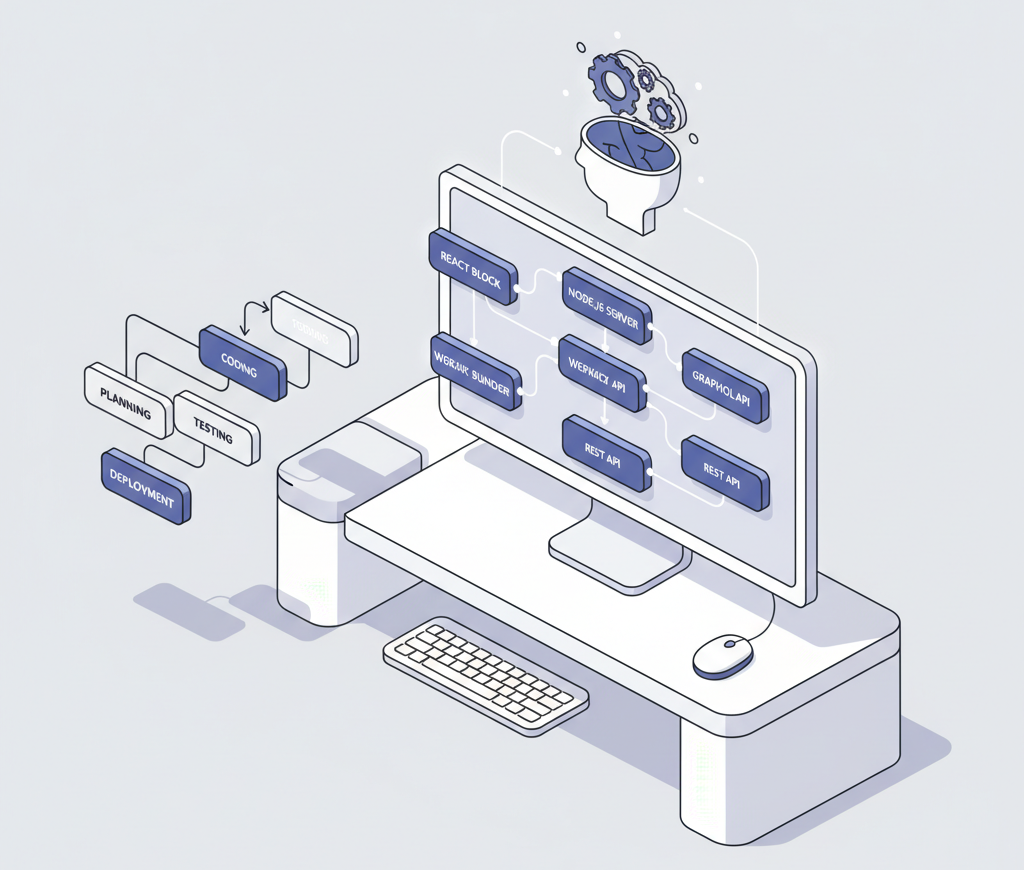
Developers coding with modern JavaScript frameworks
Strong SEO advantages
People often say headless CMS setups are “neutral” for SEO, but that depends entirely on how you build them. Performance is the real winner here: Google favors fast sites with solid Core Web Vitals. A well-built headless site checks that box easily.
You also get full control over the HTML output: meta tags, structured data, Open Graph, everything. No need to rely on limited plugins.
Every page can have finely tuned metadata, canonical tags, and proper hreflang for multilingual setups. Nothing gets left behind.
The hybrid rendering approach (SSG + SSR) is another advantage:
- static for marketing/blog pages = ultra-fast
- SSR/ISR for dynamic content = always fresh
That combo boosts both speed and relevance, two major SEO factors.
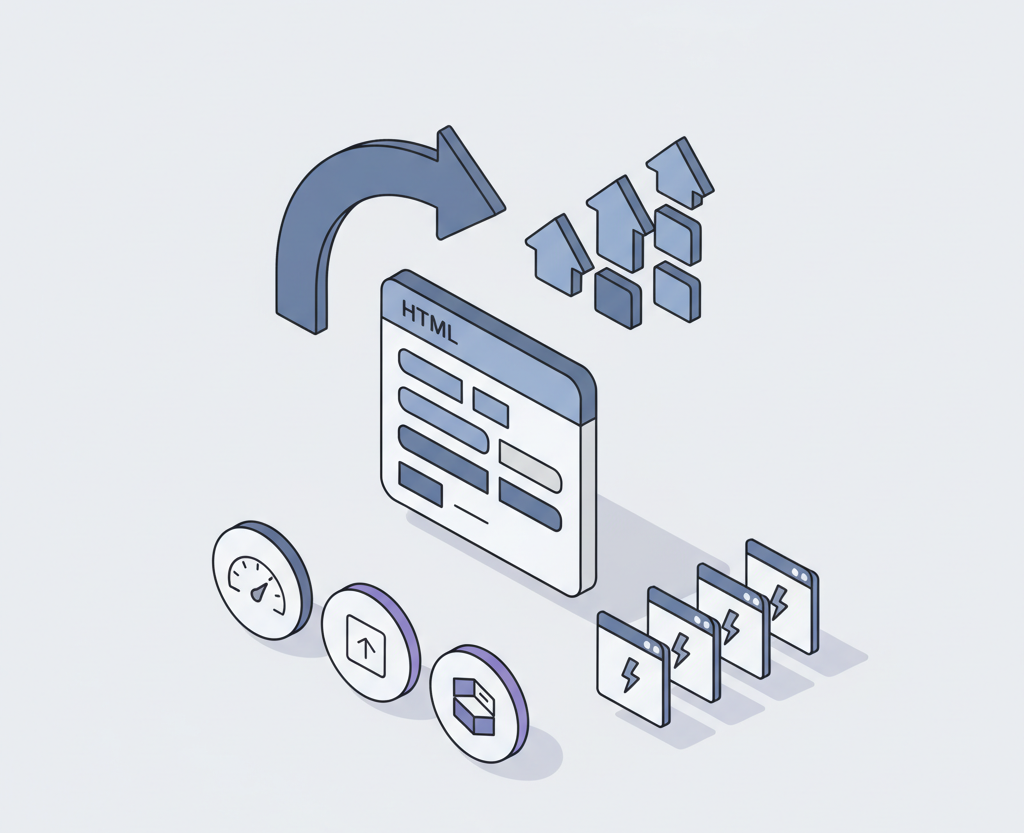
SEO dashboard with high Core Web Vitals scores
Lighter server usage and easier scaling
A headless site dramatically reduces server load. Most pages are served as static files from CDNs or through serverless functions. That means far less CPU/RAM usage and generally lower hosting costs.
During traffic spikes, the architecture holds up better: CDNs absorb the load, and serverless functions scale automatically. No more classic PHP bottlenecks like limited processes or MySQL timeouts.
And since front end and back end are separated, updating one doesn’t risk breaking the other. You can deploy new front-end versions continuously without disrupting the live site.
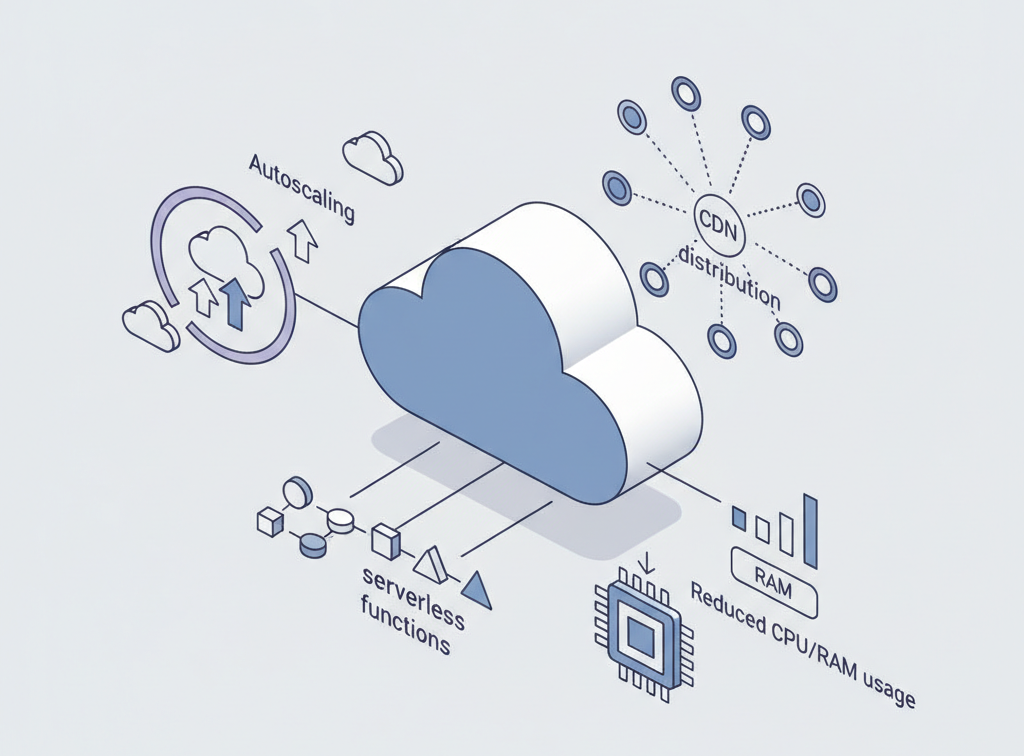
Serverless architecture handling high traffic efficiently
Stronger security and easy omnichannel distribution
Keeping the admin area separated from the public site makes things a lot safer. Traditional CMSs often expose their admin URLs (like /wp-admin), making them easy targets. A headless CMS isolates the back end and serves only static pages or API calls to the public, drastically reducing vulnerabilities (SQL injections, plugin exploits, etc.).
And because everything is API-driven, your content can power your website, your mobile app, your interactive kiosks, whatever you need. One central source, multiple channels, consistent branding.
Add secure APIs (REST/GraphQL with authentication), and you keep tight control over access.
In short : A headless CMS powered by a modern framework like Next.js changes the way you build for the web: faster sites, better SEO, cleaner architecture, and long-term flexibility. For any senior tech lead, it’s a no-brainer, this approach sets you up with a scalable, future-proof platform.
Improved performance: ultra-fast pages thanks to static pre-rendering/SSR and CDN delivery.
Agile development: a modern JavaScript stack (React, Next.js), flexible tech choices, and easier maintenance.
Optimized SEO: better Core Web Vitals, full control over meta tags, and advanced rendering strategies.
Server scalability: reduced backend load and automatic scaling with CDNs and serverless functions.
Security & omnichannel: isolated backend, fewer vulnerabilities, and easier content distribution across all channels.
